

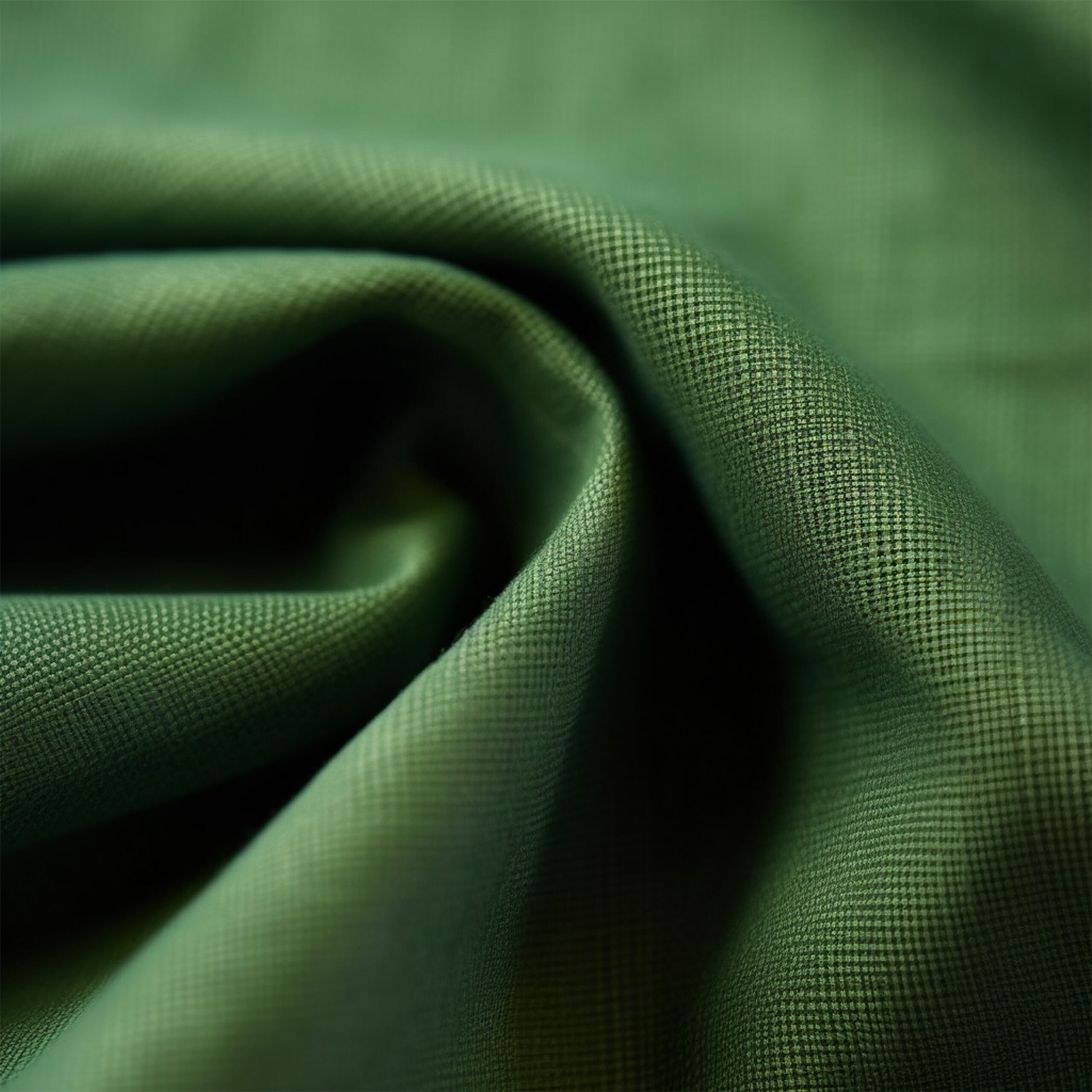
Benefits of Importing Fabrics
Importing fabrics offers a number of strategic advantages for designers, manufacturers and fashion retailers:
- Variety and Quality: Access to high-quality fabrics that may not be available locally, such as fine silks, delicate lace and innovative fabrics. China and India are known for their diversity of fabrics, from luxurious silks to high-quality cottons and advanced technical fabrics.
- Cost and Economy: Importing is more economical than buying similar fabrics from local suppliers, especially in large quantities due to economies of scale and favorable production costs.
- International trends: Possibility of following the latest global trends in fashion, using fabrics that reflect the preferences of international consumers.
Types of Fabrics to Import
When considering importing fabrics, it is important to know the different options available and their unique characteristics:
- Helanca: Synthetic fabric known for its elasticity and resistance, ideal for sportswear and garments that require comfort and flexibility.
- Liganette: Light and soft to the touch, often made of polyester or polyamide, used in blouses, dresses and lingerie.
- Bird Eye: Also called “bird’s eye” fabric, it has a texture of tiny dots and is popular in sportswear due to its moisture absorption and breathability.
- Ribana: Elastic, full-bodied fabric used in cuffs, collars and hemlines to provide structure and comfort.
- Microfiber with Elastane: Fine, soft fabric, often used in underwear and swimwear due to its adaptability to the body and comfort.
- Flat Viscose Fabric: Light and fluid, made from plant-derived viscose fiber, ideal for summer dresses, blouses and skirts due to its breathability.
Fabric Import Steps
Importing fabrics involves a detailed process that requires planning and execution, steps that Superia fully supports:
1. Imported fabric quotation: We have a range of suppliers approved to the specifications of your collection to serve your textile and clothing industry.
2. Samples: You can request samples from Superia to assess the quality and suitability of the fabric for your project.
3. Customs documentation: Prepare documentation such as commercial invoices, bills of lading, certificates of origin and import licenses in accordance with local regulations.
4. Costs and Tariffs: Consider costs beyond the price of the fabric, such as import taxes, customs tariffs, transportation and insurance.
5. Transport logistics: Sea transport is the most suitable given the volume of the order.
Importing fabrics can be a powerful strategy for differentiating your collections and meeting consumer demands for quality and innovation in fashion. Understanding the types of fabrics available, the stages of the import process and the logistical and regulatory considerations is essential to the success of your operation. By exploring the global fabric market, you can find the solutions to raise the standard and appeal of your creations in the competitive fashion market.
Get ready to turn your ideas into reality with Superia through exceptional fabrics that reflect the best of quality and international style. Contact us now!